Welcome

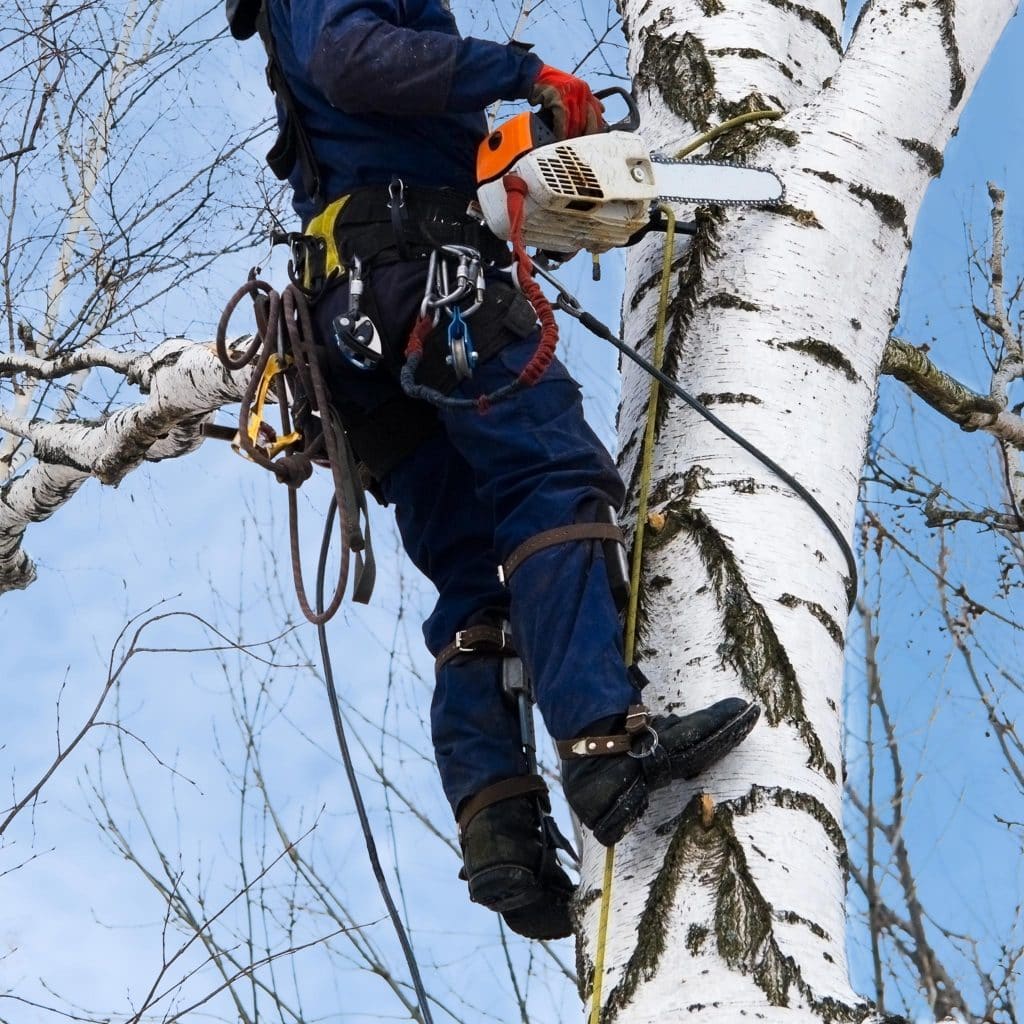
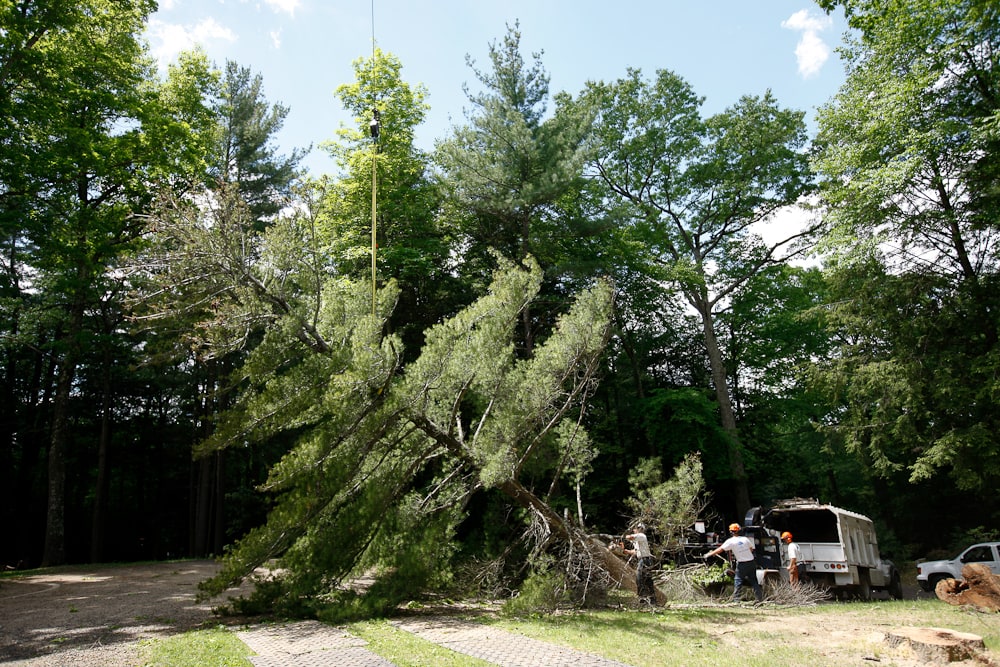
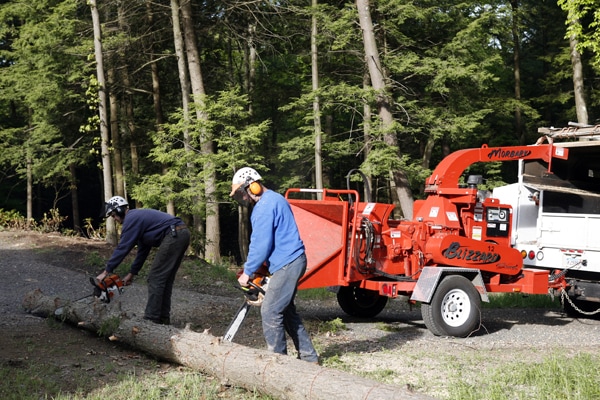
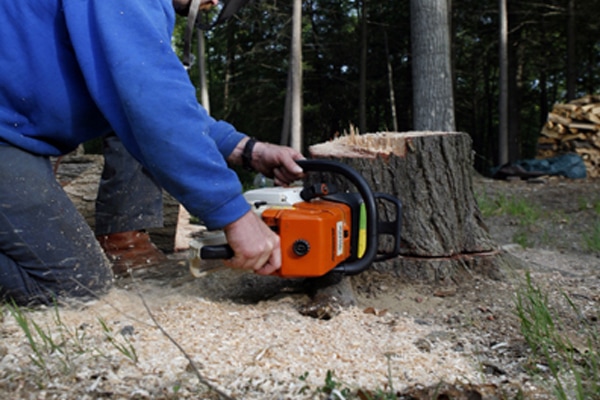
Bill PollockArbor Services is a complete tree care company: we plant, fertilize, transplant, prune, cable, install lightning protection, treat for insect and disease problems, remove trees, grind stumps, consult with and advise landscape architects.
We educate and inform you about proper tree care.
We communicate and work with other licensed arborists and consulting arborists for best results. We want to help manage your investment, but not limit your options in the future. We have relationships with the tree care industry’s best professionals for more than 15 years. We will grow the legacy of your landscape, and make your project happen.

Fully Insured
Arborist Licence #62352
Certified Arborist #NE-0387
DEP Registration #B-1172

800-690-2726
info@arborct.com

Comments off

Shigo on trees

Shigo on tree systems is a site that documents the research or Alex L. Shigo which includes 270 publications on tree anatomy and health.

Comments off

RX for Wounded Trees

RX for Wounded Trees offers guidelines on how to care for trees to keep them healthy and to protect them from wounds. It also prescribes ways to prevent, recognize, and minimize damage by decay that most often sets in after tree wounding.

Comments off

Alturnamats

 AlturnaMATS virtually eliminate damage to lawns and landscaped areas and provide traction for vehicles operating in mud or sand. They are made of 100% rigid polyethelene and are guaranteed for six years, which blows imitation products out of the water.

They come in a variety of sizes, and are available in black or white. White mats protect the ground from sun burn-out.

Customers tell us they are able to be productive in rain and snow/ice conditions and continue to generate income on days they normally would not have been able to work. These mats quickly pay for themselves and are a very good investment.

We offer them at 15% off list price, and no shipping charges. We can have them dropped shipped to your location. We stock many of the sizes. Download a pricelist in PDF format.

For more information on the mats, go to www.alturnamats.com


Comments off

Air Spading

air spading a treeAn air spade is a diagnostic and remedial tool. With our pressurized air spade, we can safely excavate the soil surrounding a tree without damaging the bark or the roots. This gives us the opportunity to help a tree that was planted too deep, to remove soil and or mulch off the tree (which is a factor in tree diseases), and to examine the roots for removal of girdling (choking) roots. When soil is compacted around a tree, we can discharge air in the soil to relieve compaction.

Comments off

Articles

Certified Arborists are tree care specialists dedicated to excellence in the field of Arboriculture. They are highly qualified in the care of your valuable trees and shrubs with knowledge of the most up-to-date advances, and proven age-old techniques.

Comments off

Gempler’s

Mail order outdoor work clothing and supplies.

http://www.gemplers.com/

Comments off

Elvex Safety Products

Hearing, face, and eye protection, as well as chain saw protective clothing.

http://www.elvex.com/

Comments off

Connecticut Tree Protective Association

CTPA is a non-profit, non-partisan association, made up largely of tree care professionals from Connecticut and the surrounding states.

http://www.ctpa.org/

Comments off

Snow and Woody Plants

Tree in SnowSnow is both friend and foe to trees and shrubs,” says Tchukki Andersen, staff arborist with the Tree Care Industry Association. “Snow causes its share of damage, as we all know, but in many cases it also protects plants and their roots against extreme fluctuations in temperature that could damage or even kill them.”

Snow does cause four kinds of damage: bending; breaking; splitting; and falling or uprooting. Whether woody plants will be damaged in one of these ways depends upon several factors. Coniferous evergreens, for instance, can bear more snow weight than broadleaf evergreens. A tree’s form can also be a factor in how well it will withstand heavy snow. Pine (low altitude), spruce and fir with spread branches are more likely to be damaged by heavy snowfall than trees with steeper angled branches.

Arborvitae is a good example of a plant that doesn’t handle heavy snow well. They tend to get tall, with multi-stemmed branches that are low to the ground.

“Snow will cause the branches to separate,” says Andersen, who doesn’t recommend planting arborvitae species in areas that get lots of heavy wet snow. She also recommends against planting them near buildings where snow can fall off the roof all at once in large piles. “Small, rounded woody-stemmed plants would be a better choice, but make certain to give them enough root space away from the structure.”

A tree’s structure is also a factor in whether it will be damaged by ice storms. A tree with good, right-angle branches will have less trouble than one with narrow crotches.

The type of snow is an important factor in potential damage to trees. Obviously, wetter snow is more damaging because it is heavier. And when the snow falls can be a factor. With a wet snow in March, when there are no leaves on the branches, the tree may be able to withstand damage pretty well. But that same snow in late spring or early fall, when the tree is filled with leaves, could add unbearable weight

On the plus side, snow moderates root temperatures and provides moisture for spring. Snow helps insulate the ground, which is beneficial for two reasons. First, snow is a poor heat conductor, so the temperature changes very slowly from the top layer of the snow to the bottom. This keeps the ground from heating and cooling as air temperatures fluctuate. Heating and cooling often cause the ground to heave, which can be damaging to roots. Keeping the ground temperature more constant is a better environment for healthy roots. A covering of snow can help keep the ground warmer. Pile eight inches of snow on the ground and soil temperature seldom falls below 23 degrees.

Finally, a little breakage isn’t always bad,” insists Andersen. “Nature prunes trees, too. A wet snow may break off small twigs and dead branches. It does a good job of pruning that way.”

Comments off

« Previous entries ·